


Community Blog: Recipe . Nutrition . Fitness | Trio Nutrition
align your gut
·
almond salad
·
balanced diet
·
best magnesium glycinate supplements
·
bloating
·
buy magnesium capsule
·
buy Magnesium Complex
·
buy Magnesium Glycinate
·
buy magnesium glycinate capsule
·
buy Magximum
·
buy minerals
·
buy probiotic capsules
·
buy probiotics
·
Calm
·
cholesterol
·
cranberry salad
·
D3
·
De-stress
·
detox
·
detox and cleanse
·
detox supplement
·
detoxification
·
digestion
·
digestive health
·
digestive health supplement
·
easy salad recipe
·
festive salad
·
fiber
·
Food Calorie
·
gluten-free salad
·
gut health
·
health
·
health and wellness
·
health benefits
·
health problems
·
health tips
·
healthy eating
·
healthy holiday dish
·
healthy salad
·
healthy supplement
·
heart health
·
high dose magnesium
·
holiday salad
·
holistic
·
holistic health
·
immune support
·
immunity
·
improved health
·
ingredients
·
kale and lettuce
·
Kale salad
·
Keto
·
keto friendly
·
kombucha
·
let us eat kale
·
lettuce eat kale
·
Magneisum Complex
·
magnesium
·
magnesium benefit
·
magnesium benefits
·
magnesium capsule
·
magnesium complex
·
magnesium for athletes
·
magnesium for bone health
·
magnesium for muscle crampls
·
magnesium for sleep
·
magnesium for stress
·
Magnesium Glycinate
·
magnesium glycinate benefits
·
magnesium glycinate capsules
·
magnesium glycinate for anxiety
·
magnesium glycinate for athletes
·
magnesium glycinate for leg cramps
·
magnesium glycinate for migraines
·
magnesium glycinate for sleep
·
magnesium glycinate powder
·
magnesium glycinate supplement
·
magnesium supplement
·
magximum
·
Magximum for athletes
·
make-ahead salad recipe
·
MCT oil powder and magnesium for weight loss
·
men's health
·
minerals
·
multi-strain probiotic
·
muscle recovery
·
muscle spasm
·
Nirvana Kombucha
·
nutrition
·
nutritional supplements
·
nutritious salad
·
optimal health
·
optimal well-being
·
organic
·
overall health
·
overall well-being
·
prebiotic
·
Prebiotic capsule
·
prebiotic supplement
·
prebitoics
·
probiotic
·
Probiotic Capsule
·
probiotic supplement
·
probiotics
·
Proteins
·
quinoa salad
·
recipe
·
trimmer body
·
Trio Nutrition
·
Trio Nutrition magnesium
·
trio nutrition magnesium complex
·
trio nutrition magnesium glycinate
·
Trio Nutrition Magximum
·
Trio Nutrition's World Famous Magximum
·
vegan salad
·
vitamin d
·
Vitamin D3
·
vitamin D3 supplement
·
vitamin k
·
Vitamin K2
·
vitamin k2 d3
·
vitamin K2 MK-7
·
vitamin K2 supplement
·
weight loss
·
weight management
·
weightloss
·
well-being
·
wellness
·
women's health
·
world famous Magximum
·
world-famous Nirvana Kombucha
·
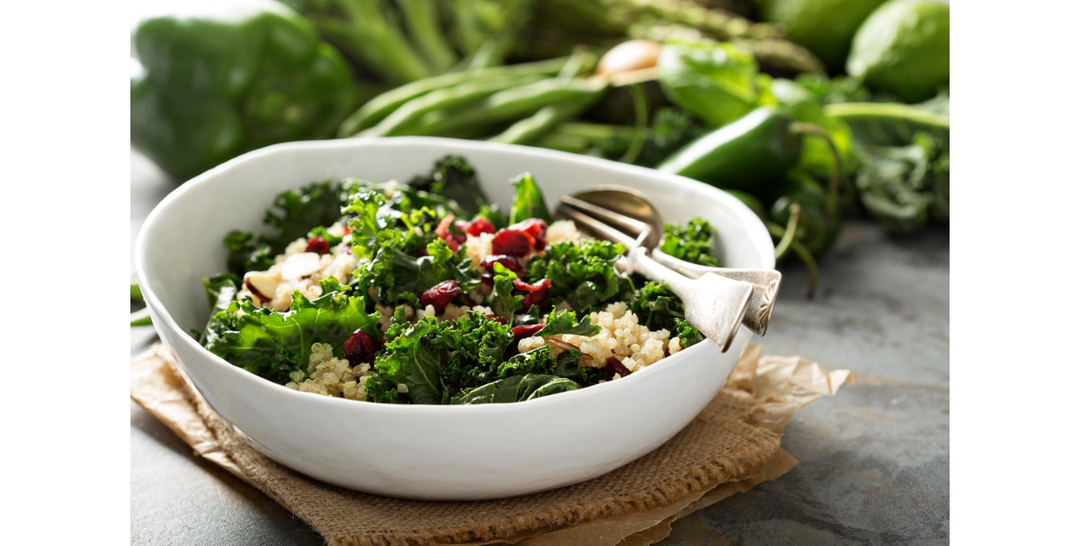
Kale & Quinoa Salad with Cranberries & Almonds - The Perfect Holiday Dish | Trio Nutrition
The information in this article and throughout Trio Nutrition’s blog is for informational purposes only, and should never be mistaken for professional medical advice. 🌿 This salad is a great way to get your daily dose of fruits, vegetables, and...
Continue reading

anxiety
·
balanced diet
·
best magnesium glycinate supplements
·
better mental outlook
·
buy magnesium capsule
·
buy Magnesium Complex
·
buy Magnesium Glycinate
·
buy magnesium glycinate capsule
·
buy Magximum
·
Calm
·
Calories
·
cholesterol
·
D3
·
De-stress
·
diet
·
Fat
·
Food Calorie
·
health and wellness
·
health benefits
·
health tips
·
healthy dessert
·
healthy eating
·
healthy supplement
·
improved health
·
kale and lettuce
·
let us eat kale
·
lettuce eat kale
·
magnesium benefit
·
magnesium benefits
·
magnesium capsule
·
magnesium complex
·
magnesium for stress
·
Magnesium Glycinate
·
magnesium glycinate benefits
·
magnesium glycinate capsules
·
magnesium glycinate for anxiety
·
magnesium glycinate supplement
·
magnesium supplement
·
magximum
·
mct oil powder
·
nutrient-rich
·
nutrition
·
nutritional supplements
·
optimal health
·
optimal well-being
·
overall health
·
overall well-being
·
personalized guidance
·
pumpkin cheesecake
·
pumpkin cheesecake with pecan crust
·
sodium
·
supplements
·
Thanksgiving dessert
·
trimmer body
·
Trio Nutrition
·
Trio Nutrition magnesium
·
trio nutrition magnesium complex
·
trio nutrition magnesium glycinate
·
Trio Nutrition Magximum
·
Trio Nutrition's World Famous Magximum
·
vitamin d
·
Vitamin D3
·
vitamin k
·
Vitamin K2
·
vitamin k2 d3
·
vitamin K2 MK-7
·
weight loss
·
weight management
·
weightloss
·
well-being
·
wellness
·
world famous Magximum
·
Guilt-Free Thanksgiving Indulgence: Nutrient-Rich Pumpkin Cheesecake with a Pecan Crust Recipe | Trio Nutrition
The information in this article and throughout Trio Nutrition’s blog is for informational purposes only, and should never be mistaken for professional medical advice. 🌿 Pumpkin Cheesecake with a Pecan Crust - the cheesecake is light, airy, and flavorful. The...
Continue reading
buy prebiotics
·
buy probiotic capsules
·
buy probiotics
·
cleanse
·
delayed release capsule
·
delayed release mechanism
·
detox
·
detox and cleanse
·
detox supplement
·
detoxification
·
digestive health
·
digestive health supplement
·
digestive upset
·
energy boost supplement
·
energy bost
·
gut health
·
health and wellness
·
health benefits
·
immune
·
immune function
·
immune health
·
immune support
·
immune system
·
immune system supplement
·
immune system support
·
improve well-being
·
improved energy
·
improved health
·
Keto
·
keto friendly
·
kombucha
·
men's health
·
multi-strain probiotic
·
natural supplement
·
nutritional supplements
·
optimal well-being
·
organic
·
organic kombucha tea
·
organic supplement
·
overall health
·
overall well-being
·
prebiotic
·
Prebiotic capsule
·
prebiotic supplement
·
prebitoics
·
probiotic
·
Probiotic Capsule
·
probiotic supplement
·
probiotics
·
shelf-stable
·
Trio Nutrition
·
vaginal health
·
well-being
·
wellness
·
women's health
·
world-famous Nirvana Kombucha
·
Unlocking Optimal Gut & Immune Health with a Probiotic Supplement | Trio Nutrition
The information in this article and throughout Trio Nutrition’s blog is for informational purposes only, and should never be mistaken for professional medical advice. When it comes to choosing a probiotic supplement, there are several factors to consider in order...
Continue reading
bloating
·
boosted energy levels
·
buy prebiotics
·
buy probiotic capsules
·
buy probiotics
·
cleanse
·
clear skin
·
delayed release mechanism
·
detox
·
detox and cleanse
·
detox supplement
·
detoxification
·
digestion
·
digestive health
·
digestive health supplement
·
energy boost supplement
·
energy bost
·
gut health
·
health
·
health and wellness
·
health benefits
·
health problems
·
health tips
·
healthy supplement
·
immune
·
immune function
·
immune health
·
immune system
·
immune system supplement
·
immune system support
·
improve well-being
·
improved energy
·
improved health
·
kombucha
·
Nirvana Kombucha
·
nutritional supplements
·
optimal well-being
·
organic
·
organic supplement
·
overall health
·
overall well-being
·
prebiotic
·
Prebiotic capsule
·
prebiotic supplement
·
prebitoics
·
probiotic
·
Probiotic Capsule
·
probiotic supplement
·
probiotics
·
refereshing supplement
·
Trio Nutrition
·
vaginal health
·
weight loss
·
weight management
·
weightloss
·
well-being
·
wellness
·
women's health
·
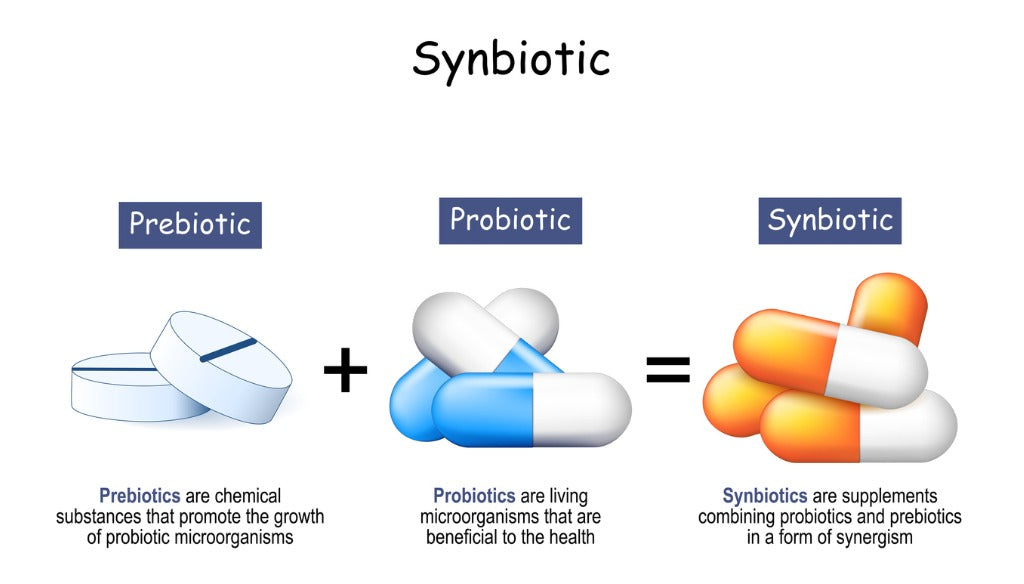
Wellness Essential: The Synbiotic Duo of Probiotics and Prebiotics | Trio Nutrition
The article discusses the crucial relationship between probiotics and prebiotics, known as the synbiotic duo, in promoting digestive wellness and overall health. It provides historical context for these essential components in gut health, highlighting their roles in maintaining a balanced gut microbiome. The article lists various food sources rich in probiotics and prebiotics, emphasizing the importance of these dietary choices. It explains the difference between "symbiotic" and "synbiotic" relationships and emphasizes the benefits of incorporating probiotics and prebiotics into one's daily routine, including improved digestive health, enhanced immunity, weight management, and more. The article concludes by suggesting dietary and supplement options to harness the power of this dynamic duo for a healthier, happier you.
Continue reading
anxiety
·
best magnesium glycinate supplements
·
bioavailability
·
bone density
·
boost mood
·
boosted energy levels
·
buy magnesium capsule
·
buy Magnesium Complex
·
buy Magnesium Glycinate
·
buy magnesium glycinate capsule
·
buy Magximum
·
Calm
·
cardiovascular health
·
cognitive function
·
cramps
·
De-stress
·
energy
·
energy function
·
health and wellness
·
health benefits
·
health tips
·
high dose magnesium
·
improved energy
·
inflammation
·
Keto
·
keto friendly
·
leg cramp
·
leg spasm
·
Magneisum Complex
·
magnesium
·
magnesium benefit
·
magnesium benefits
·
magnesium capsule
·
magnesium complex
·
magnesium for athletes
·
magnesium for bone health
·
magnesium for muscle crampls
·
magnesium for sleep
·
magnesium for stress
·
Magnesium Glycinate
·
magnesium glycinate benefits
·
magnesium glycinate capsules
·
magnesium glycinate for anxiety
·
magnesium glycinate for athletes
·
magnesium glycinate for leg cramps
·
magnesium glycinate for migraines
·
magnesium glycinate for sleep
·
magnesium glycinate powder
·
magnesium supplement
·
magximum
·
Magximum for athletes
·
mct
·
mct oil
·
mct oil powder
·
MCT oil powder and magnesium for cognitive function
·
MCT oil powder and magnesium for sleep
·
MCT oil powder and magnesium for stress relief
·
MCT oil powder and magnesium for weight loss
·
mct oil powder benefits
·
mct oil supplement
·
men's health
·
Mental health
·
mood
·
mood and sleep
·
muscle and nerve function
·
muscle function
·
muscle function for athletic performance
·
muscle recovery
·
muscle spasm
·
Natural Mood Booster
·
nerve function
·
nutrient absorption
·
nutrition
·
nutritional supplements
·
optimal well-being
·
reduce anxiety
·
reduced inflammation
·
Relaxation
·
Sleep
·
sleep aid
·
sleep quality
·
sleep supplement
·
sleep support
·
sleep support supplement
·
Sleeping
·
streess
·
stress
·
stress management
·
stress reduction
·
stress relief
·
strong bones
·
traditional medicine
·
Trio Nutriiton
·
Trio Nutrition
·
Trio Nutrition magnesium
·
trio nutrition magnesium complex
·
trio nutrition magnesium glycinate
·
Trio Nutrition Magximum
·
Trio Nutrition's World Famous Magximum
·
vitamin d
·
Vitamin D3
·
vitamin k
·
Vitamin K2
·
vitamin k2 d3
·
vitamin K2 MK-7
·
weight loss
·
weight management
·
Weight Training
·
weightloss
·
well-being
·
wellness
·
women's health
·
world famous
·
world famous Magximum
·
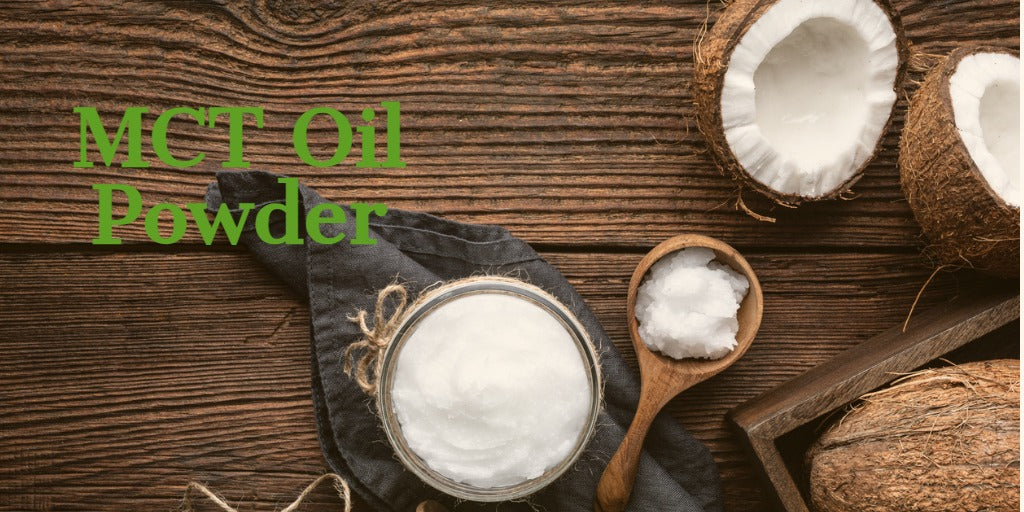
Wellness Essential: The Dynamic Duo of MCT Oil Powder and Magnesium | Trio Nutrition
The information in this article and throughout Trio Nutrition’s blog is for informational purposes only, and should never be mistaken for professional medical advice. Historical Perspective Both MCT oil powder and magnesium have woven themselves into the tapestry of our...
Continue reading